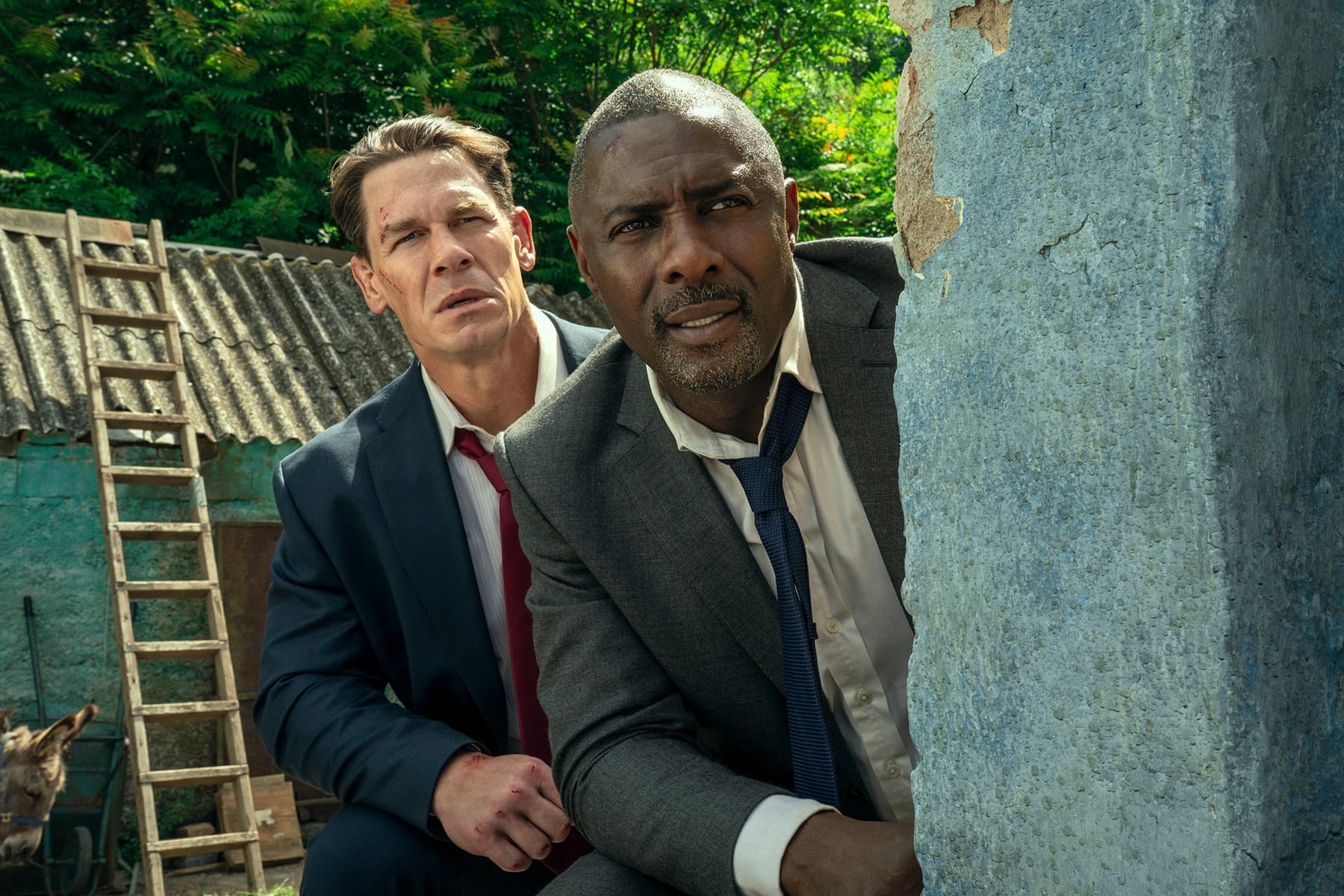
Wayward exploded on Netflix: Toni Collette leads a rural mystery with a brutal finale
The eight-episode miniseries reached 8.2 million views in its debut weekend and passed 1.5 billion minutes watched in its first week, confirming Mae Martin's new Netflix hit as a police procedural with a controversial ending.
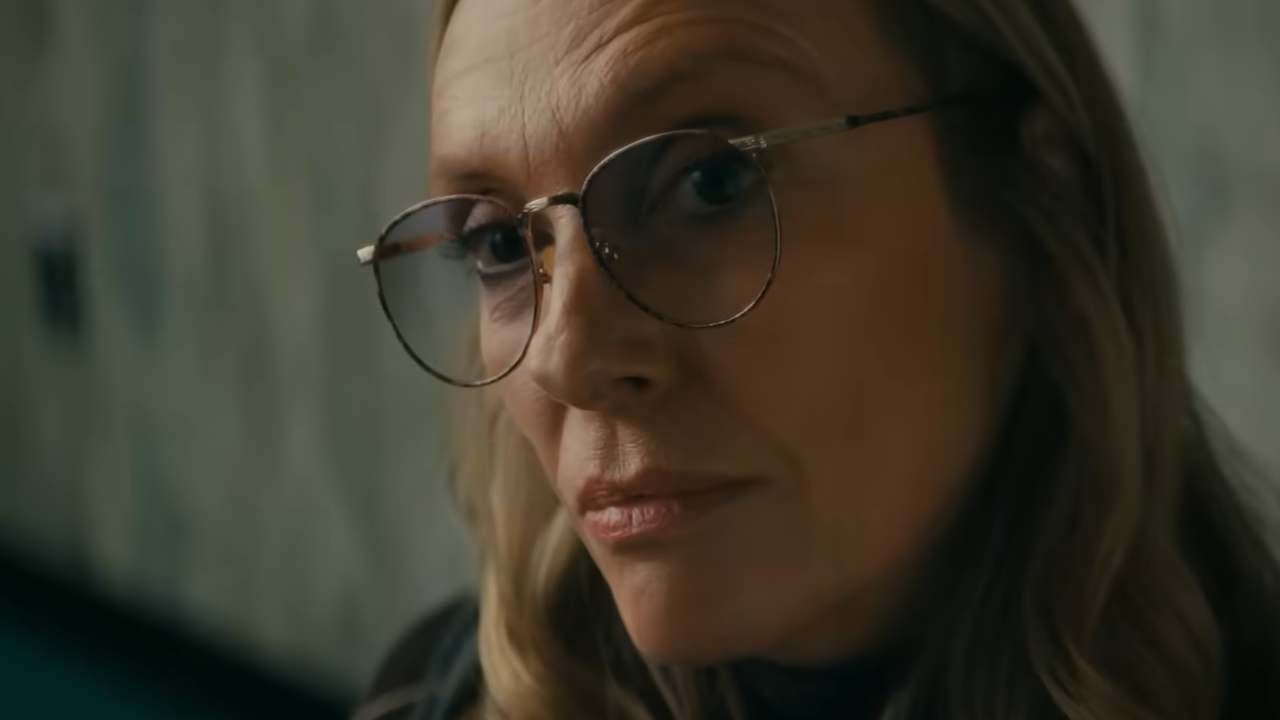
In the world of series, mysteries often hide in plain sight, behind quiet streets and the routines of small towns. That is precisely the territory Mae Martin explores in Wayward, the Netflix miniseries that brings together suspense, a police investigation and a restless community where nobody seems willing to say what is really happening. I watched this new installment with the expectation of finding a conventional procedural and ended up confronting something much more uncomfortable: a story about trust, isolation and the way institutions protect their own people, however alarming that may sound.
The series' performance on the streaming platform was remarkable. Wayward added 8.2 million views during its debut weekend, reached 8 million viewers in its first four days in the catalogue and exceeded 48 million hours watched. By the close of its first week, total viewing time had surpassed 1.5 billion minutes, enough to place it in the platform's Top 10 across 79 territories and to take the top spot among English-language series in Canada, Denmark, Iceland and Australia. These are striking numbers for a production that deals with very local-sounding conflicts and very intimate character problems, and they demonstrate that Netflix audiences are still willing to engage deeply with a story that does not rely on extravagant spectacle or a franchise everyone already knows.
A small town, a police officer and two teenagers who want to leave
Wayward takes place in Tall Pines, a small town where strange incidents begin to multiply. Official Alex Dempsey, played by Martin, arrives to live there and soon meets two teenagers, Abbie and Leila, who are planning to leave and apparently know more about what is happening in the area than they let on. From there, the narrative builds around Dempsey's investigation, which focuses on Evelyn, the reserved director of the local school, while Alex's wife Laura, played by Sarah Gadon, faces mounting pressure as events escalate. The cast also includes Brandon Jay McLaren, Tattiawna Jones and Patrick J. Adams, a group that gives the miniseries enough texture to sustain an eight-episode structure.
Martin, who previously created the Netflix series Feel Good, once again assumes the double role of creator and lead character, although here the tone is considerably darker and more restrained. I particularly appreciate the decision to place her protagonist in a position where her professional role does not automatically grant her authority: a police official can investigate a school director, but doing so means questioning not only an individual's behaviour but also the weight of an entire community. That tension, between the personal and the institutional, is what gives Wayward its strongest dramatic engine, and it is handled with a patience that many thrillers would do well to imitate.
- A debut of 8.2 million views during its first weekend in the catalogue.
- More than 48 million hours watched in the first four days.
- Over 1.5 billion minutes played during the first week.
- Top 10 placement in 79 territories.
- Number one among English-language series in Canada, Denmark, Iceland and Australia.
- Eight episodes combining suspense with a police investigation.
The ending divided critics and viewers
The most debated aspect of the miniseries is its conclusion. Specialized critics awarded it a 79 percent approval rating on Rotten Tomatoes, while general audiences gave it 46 percent, with much of the discrepancy attributed to the way the story ends. That gap tells us something valuable about the work: its controversial finale is not merely a technical detail but the emotional point where many viewers felt the series failed to honour its own premises. Even so, I find it difficult to dismiss the production because the questions it raises about silence, complicity and the protection of institutions remain relevant long after the final scene.
In performance terms, Wayward also outperformed other recent Netflix premieres, including the third season of Alice in Borderland. The comparison is interesting because, although both stories rely on a rule-bound world that gradually reveals its true logic, Wayward moves within a far more intimate scale. It does not need a life-or-death game to keep the viewer alert: a disappearing student, a closed school board and a town that protects its own routine are enough to generate suspense, provided the script knows when to let silence do the work.
My recommendation is to watch Wayward without knowing anything about its plot, but also without expecting the miniseries to resolve every tension in a way that satisfies everyone. Start with the first episodes, pay attention to how Martin frames each interview and notice what the residents of Tall Pines choose not to say. Then, when the finale arrives, ask yourself the same question the series asks: is the truth about a few people, or about an entire place? On Netflix, it is already available for those who want to join the conversation.